this for escaping w3 validation warning
hide
ZMQ’s MIRA Channel is an integrated mobile-phone–based platform designed to strengthen the last-mile health system by enabling timely health communication and service delivery for rural women, with a strong focus on Maternal and Child Health (MCH). Developed specifically for low-resource settings, MIRA addresses challenges of low literacy and limited access to health information by using simple, intuitive and locally relevant digital tools.
The objective of MIRA is to enable women improve health indicators by self-managing their health and reach towards a larger goal of women empowerment using digital connect. The mission of MIRA channel is to improve the standard of living of rural women across the globe, especially their health indicators.
The channel operates through community health workers (CHWs), known as MIRAs, who are linked with Shadow Auxiliary Nurse Midwives (ANMs). Together, they use two complementary digital toolkits—the MIRA Toolkit and the ANM Toolkit. These tools support in tracking activities, monitoring beneficiary progress and ensuring coordinated delivery of health services. Through this structured ecosystem, MIRA creates an enabling environment to generate demand for health services and foster positive health-seeking behaviors among women.
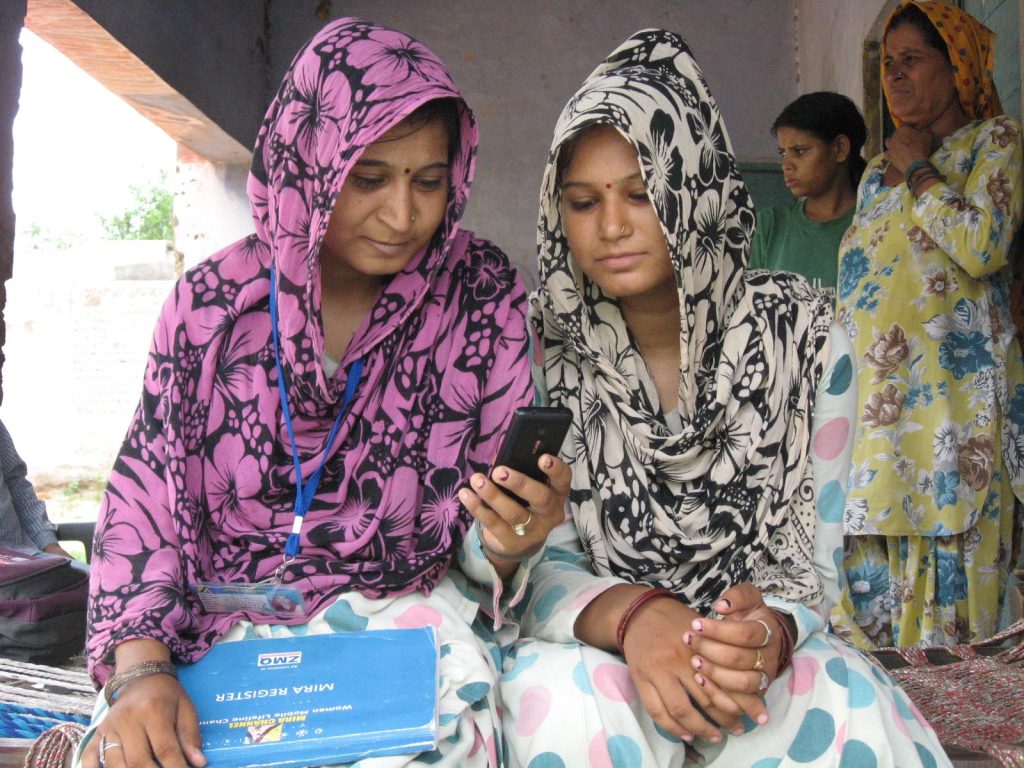
Also known as the Women Mobile Lifeline Channel, MIRA provides rural women with reliable health information and direct connections to public health services using mobile phones. MIRA addresses critical gaps related to limited reproductive rights awareness, inadequate maternal and child health communication and weak linkages with public health systems in remote areas. Each MIRA sub-channel comprises multiple interactive edutainment tools that deliver health information in engaging ways. Through micro-audio messages in local languages, women receive timely guidance on pregnancy care, nutrition, medical check-ups and essential do’s and don’ts. The platform promotes regular antenatal care, iron–folic acid intake, timely immunization and institutional deliveries. By supporting informed decision-making and safer health practices, MIRA contributes to improved maternal and child health outcomes and long-term community well-being.
Key Activities
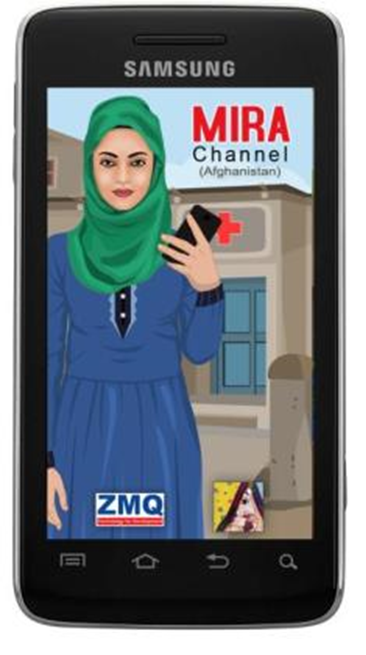
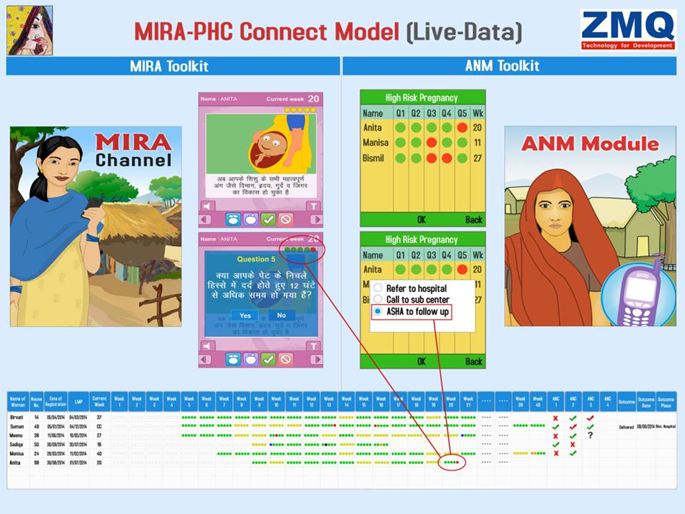
“ A digitally-enabled behaviour change communication (BCC) model that empowers rural women with localized health content and links them to government services for continuous maternal and child care. ”
ZMQ Development
ZMQ Development: Off # 1005, 10th Floor, First Tower, Pearls Omaxe Building, Netaji Subhash Place Complex - Pitampura, Delhi – 110034, INDIA
ZMQ Global: #401, 417 Saint Pierre Streat, Montreal, Quebec, CANADA
Qaff Africa Foundation Ltd.: 2nd Floor, UNMU Building, Mulago Upper Hill Road, Kampala, UGANDA